

Tottori often flies under the radar. As Japan’s least populated prefecture, it doesn’t have the frantic energy of Tokyo or the crowded shrines of Kyoto. But to be honest, that is exactly what makes it a great place to visit.
This was my second visit; I first traveled here in 2020 to explore the famous sand dunes and see some of the region’s emerging accessibility features. When I was invited to return this year – this time to meet with local accessible travel providers and give a seminar on accessible travel – I was excited to go back and unwind.
For those who want a bit of background, you can check out my earlier Tottori article on Accessible Japan. Consider this post a continuation – a deeper dive into the progress, the people, and the places that make Tottori such a special destination on Japan’s western coast.
Getting There: The New Yakumo Limited Express
While most guidebooks suggest flying into one of Tottori’s two airports, for travelers already exploring western Japan, the train is a fantastic option. On this trip, I connected via Okayama Station and boarded the Yakumo Limited Express.
If you visited Tottori in the past, you might remember the old Yakumo as a bit of a bumpy ride. However, the new 273 series trains (introduced in 2024) are a massive upgrade. The accessibility is excellent, with dedicated wheelchair spaces. One space is positioned next to a standard seat, allowing a wheelchair user to transfer if they wish, or simply sit side-by-side with a travel companion as well as two spots with close access to the windows. There is also a large accessible toilet available in this part of the train.
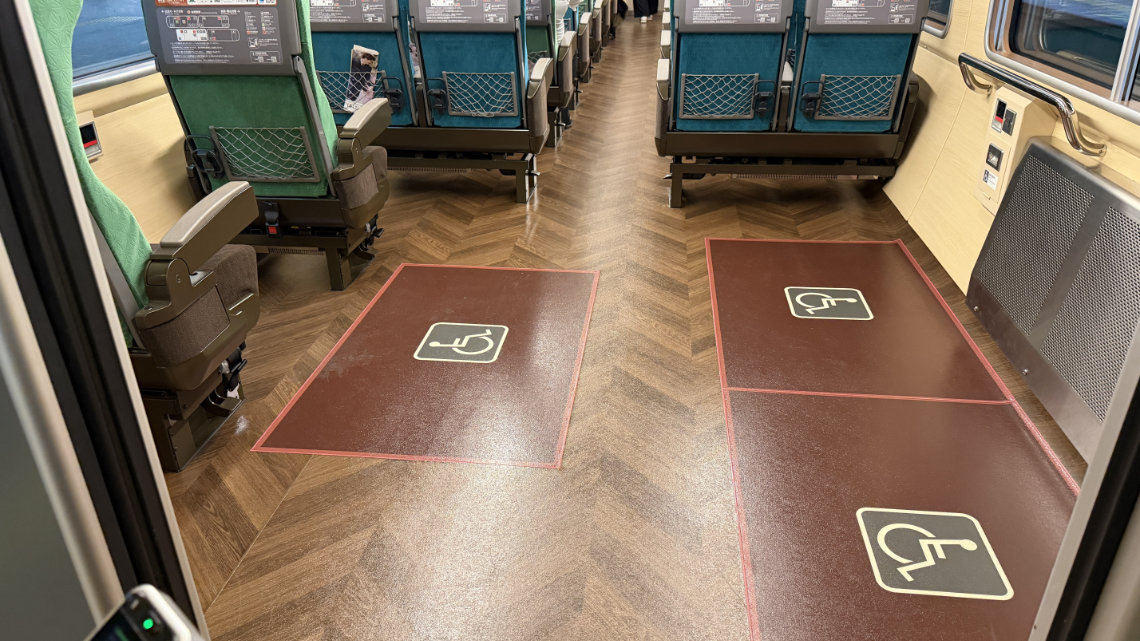
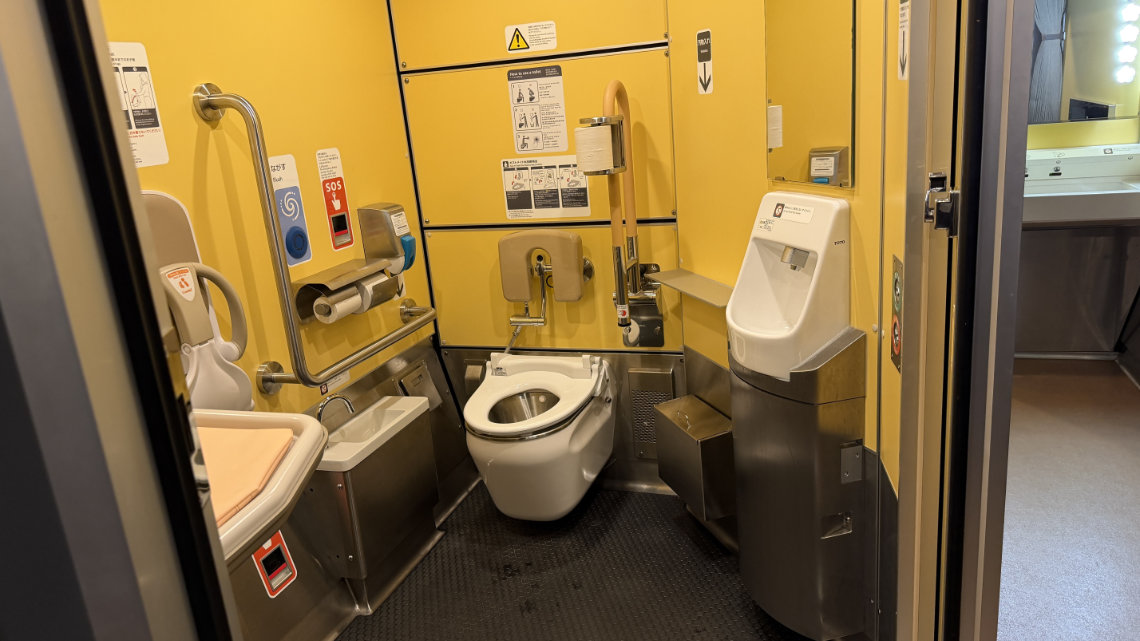
A quick note for those with sensitive stomachs: The Yakumo is a “tilting train” designed to maintain speed through the winding Chugoku mountains. The new models use a smoother tilting system, but it still moves with a gentle sway that is worth knowing about beforehand.
Day 1: Monsters and Modern Hospitality
My first stop was in Sakaiminato to visit the Mizuki Shigeru Museum. Even if you aren’t familiar with the name, you have likely seen his characters – the yokai (monsters) from GeGeGe no Kitaro.
The museum reopened in 2024 after a complete renovation, and the attention to Universal Design is obvious. The entrance path is wide and level, and just outside, there is a 24-hour accessible public toilet that was impressively clean.
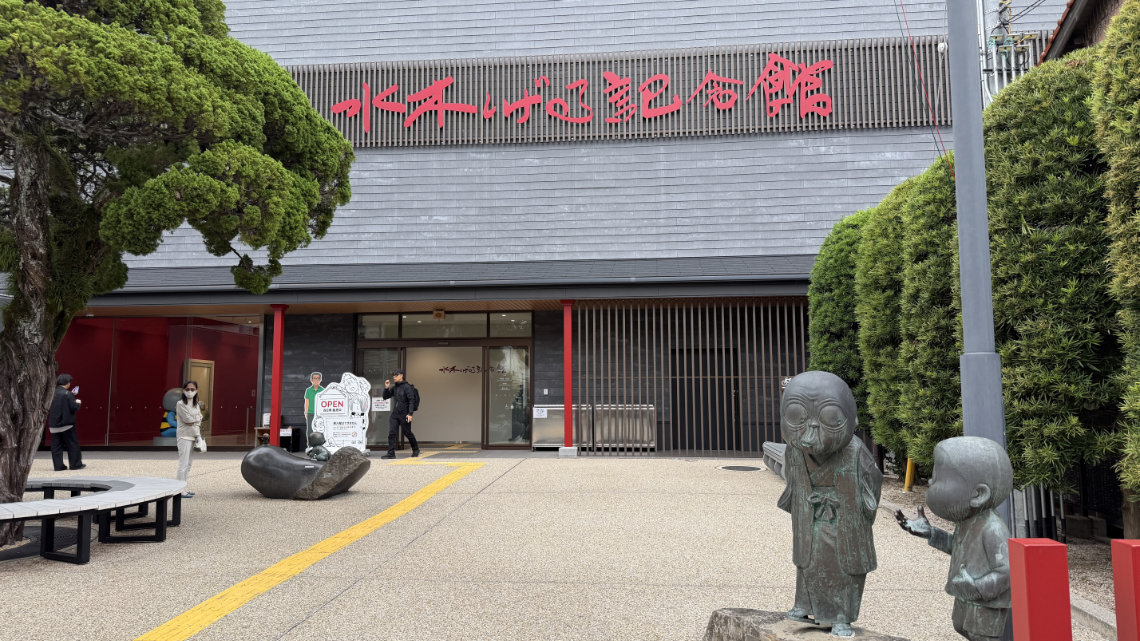
Inside, the facility is bright and easy to navigate. An elevator connects the floors, with buttons mounted low enough for me to reach easily. There are also 3 different options for accessible toilets on the first floor – one in each of the men’s and women’s toilets as well as a unisex one.
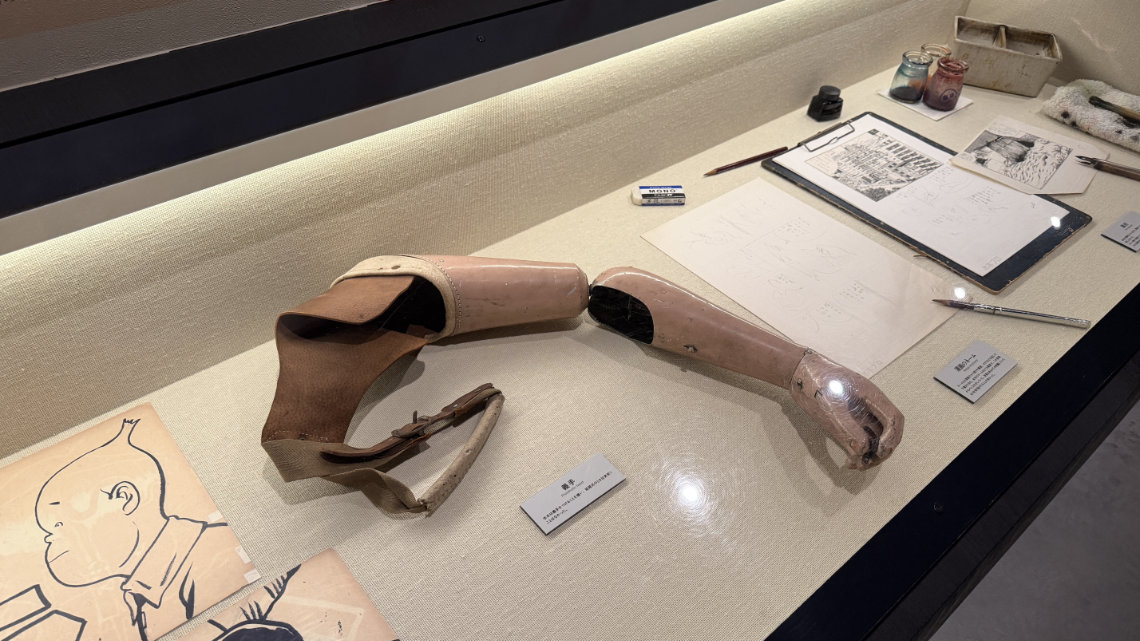
However, what struck me most wasn’t the architecture, but the man himself. A talented artist from his youth, Mizuki Shigeru lost his left arm during World War II. While he had a prosthetic arm (which is on display), he only wore it for his wedding ceremony and chose to live daily life as he was. Seeing his disability acknowledged as part of his story added to the experience.
From Sakaiminato, I traveled inland to Kurayoshi to stay at Hotel Hoshitori Terrace Sekigane.
The building blends modern design with a warm atmosphere, and features art from people with disabilities in a small gallery.
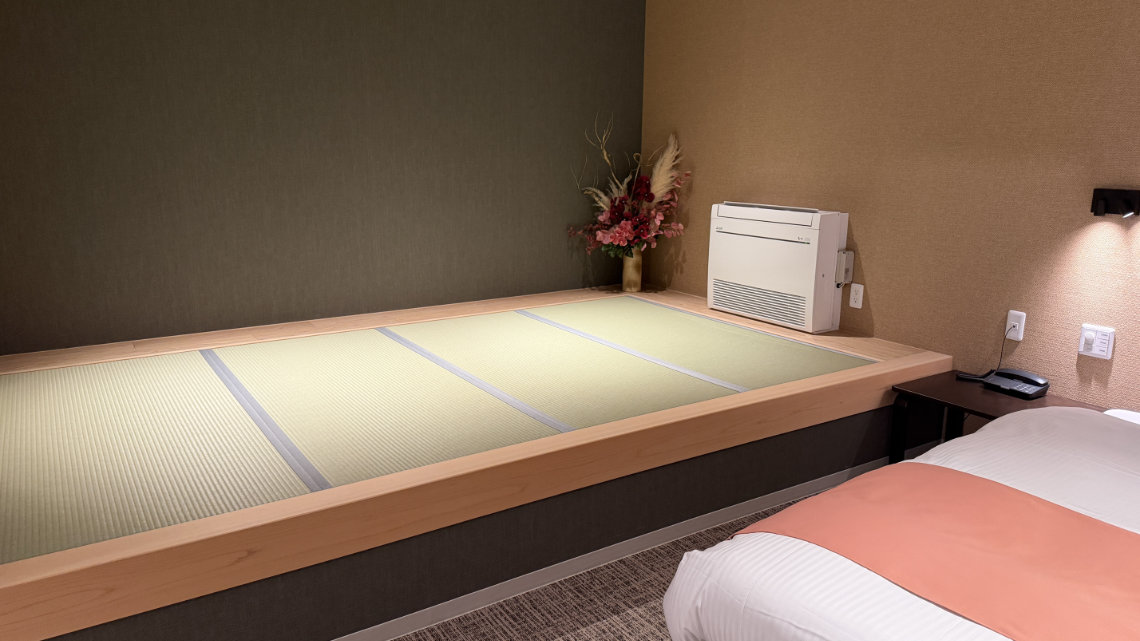
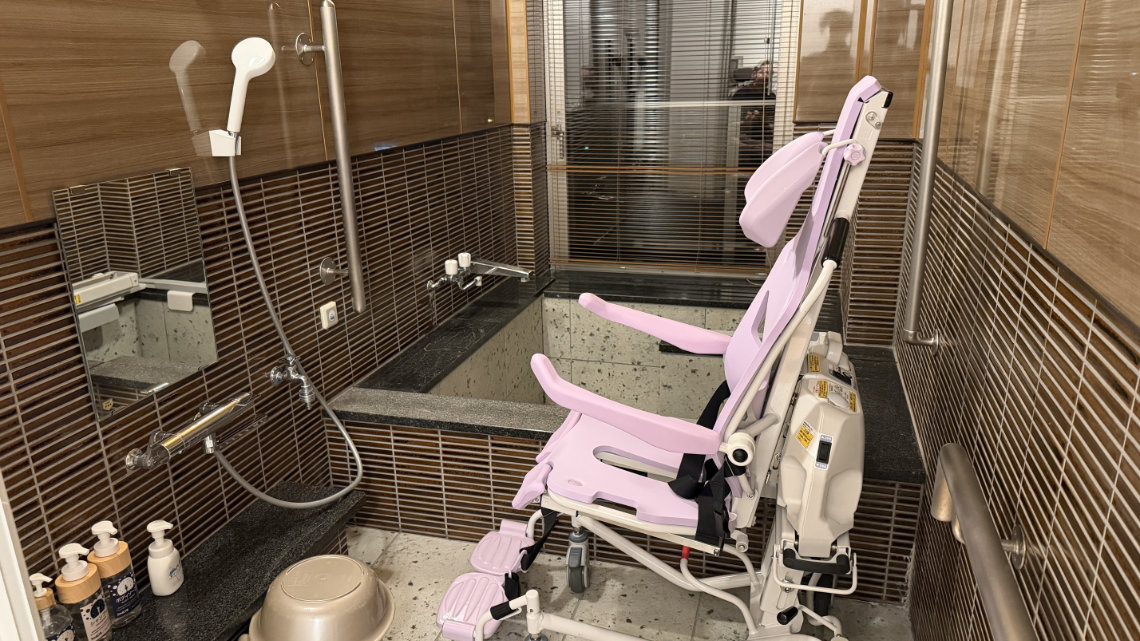
The accessible room was a highlight, featuring a large bathroom with multiple shower chair options – including a special chair that goes into the ensuite hot spring bath via a railing system. Another great feature was the raised tatami area. Usually, tatami floors are off-limits to wheelchairs, but here, the tatami area is built up to wheelchair height. I could transfer onto the mats and relax in a traditional Japanese setting without any barriers.
Day 2: Art, Agriculture, and Sand
The next morning began at the brand new Tottori Prefectural Museum of Art in Kurayoshi, which just opened in March 2025.
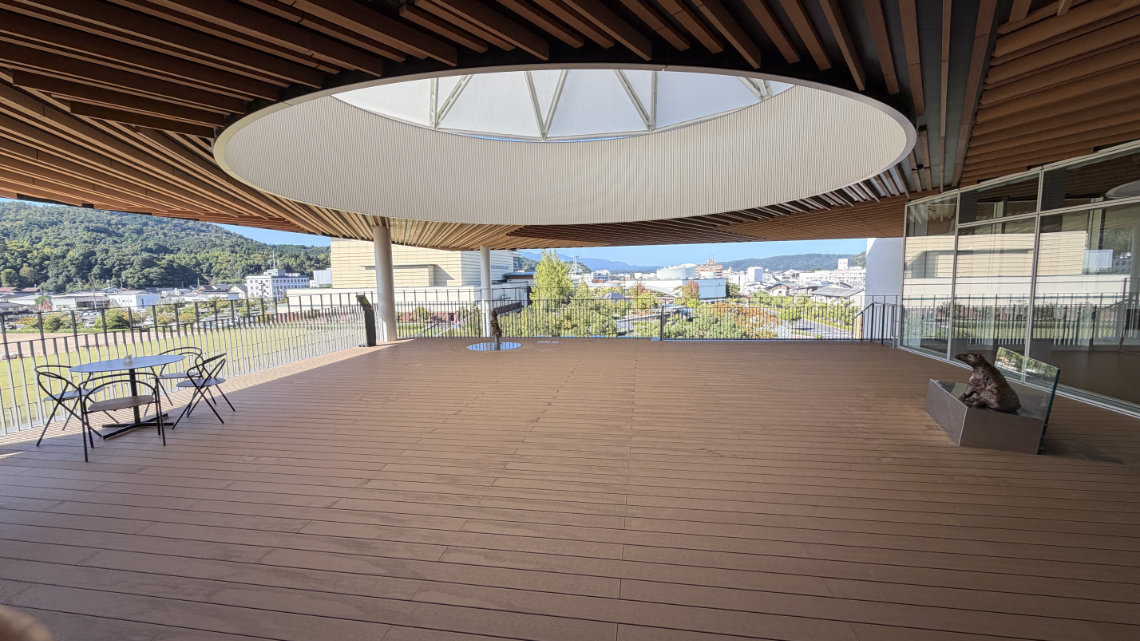
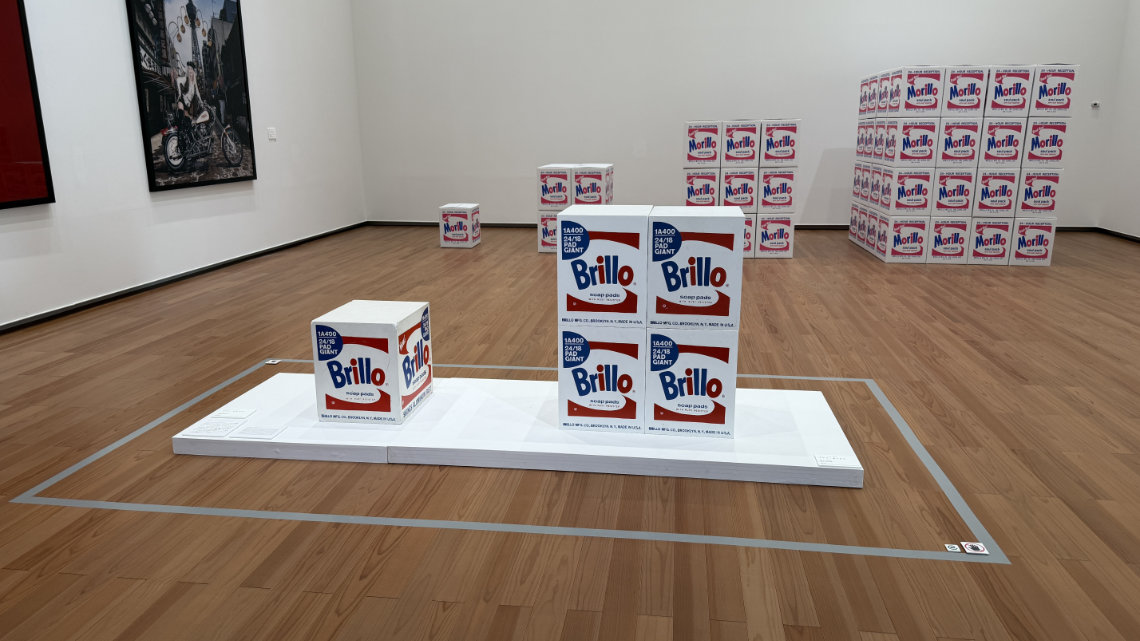
Designed by Maki and Associates, led by Mr. Fumihiko Maki, the spaces are wide and uncluttered, and I really appreciated the terrace on the upper floor, which overlooks the work to excavate the ruins of an ancient Buddhist temple. Inside, the exhibits were diverse – I was even surprised to find 5 of Andy Warhol’s Brillo Boxes in their collection!
Across the museum, accessible toilets (including ostomate facilities) and nursing rooms were clearly marked and easy to find.
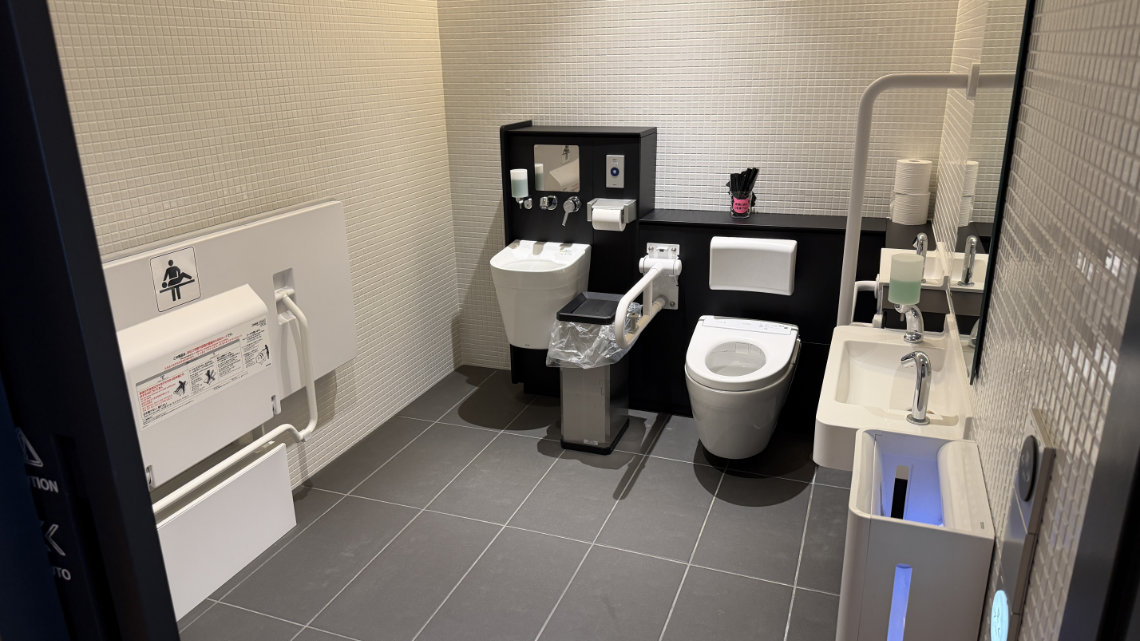
A short, covered walk from the art museum brings you to Nashi-ko-kan, the center dedicated to Tottori’s famous pears.
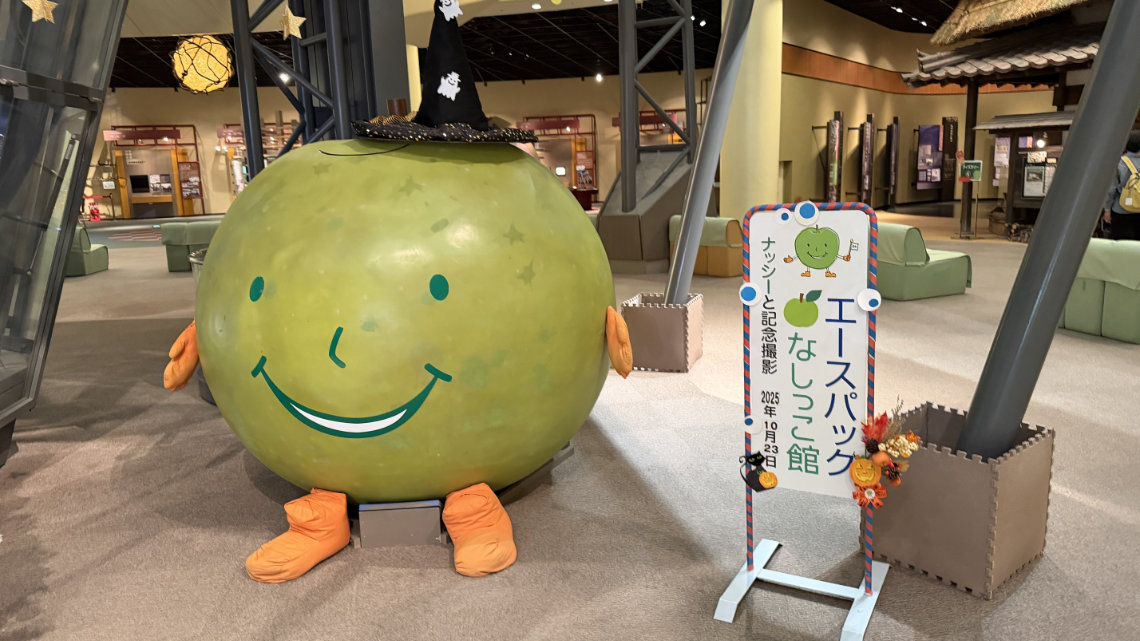
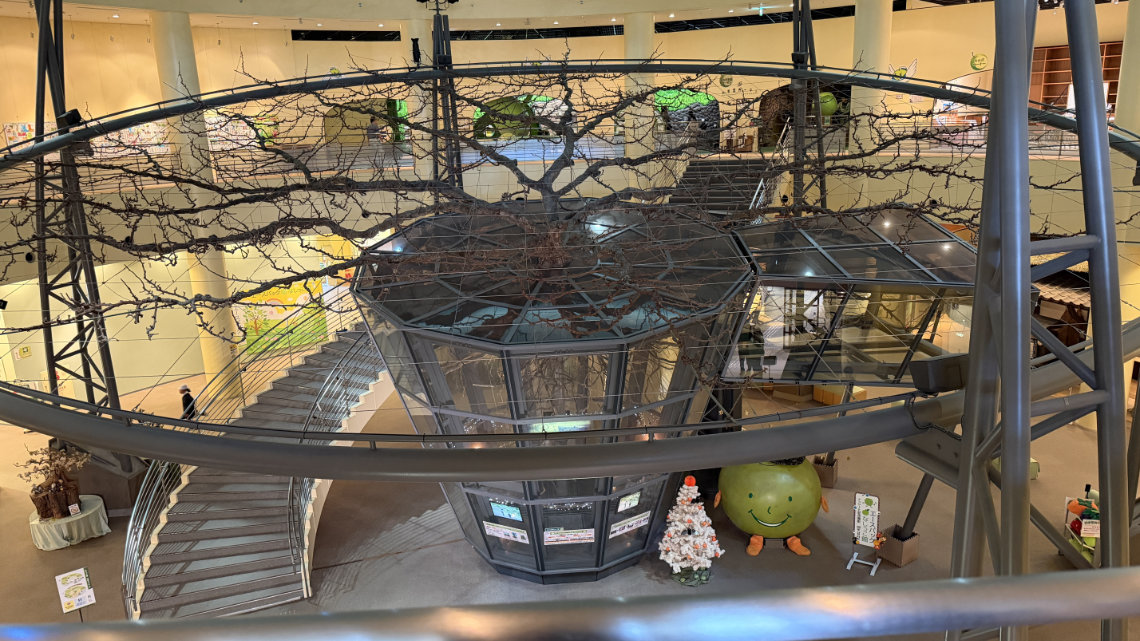
This is a fun, quirky stop with displays on pear farming and a tasting area. I will mention, however, that this building is older than the Art Museum. While there is an elevator to the second floor, the restrooms here are built to older standards.
Tip: Use the fantastic accessible toilets at the Art Museum before or after visiting the Pear Museum. It’s just a short walk away.
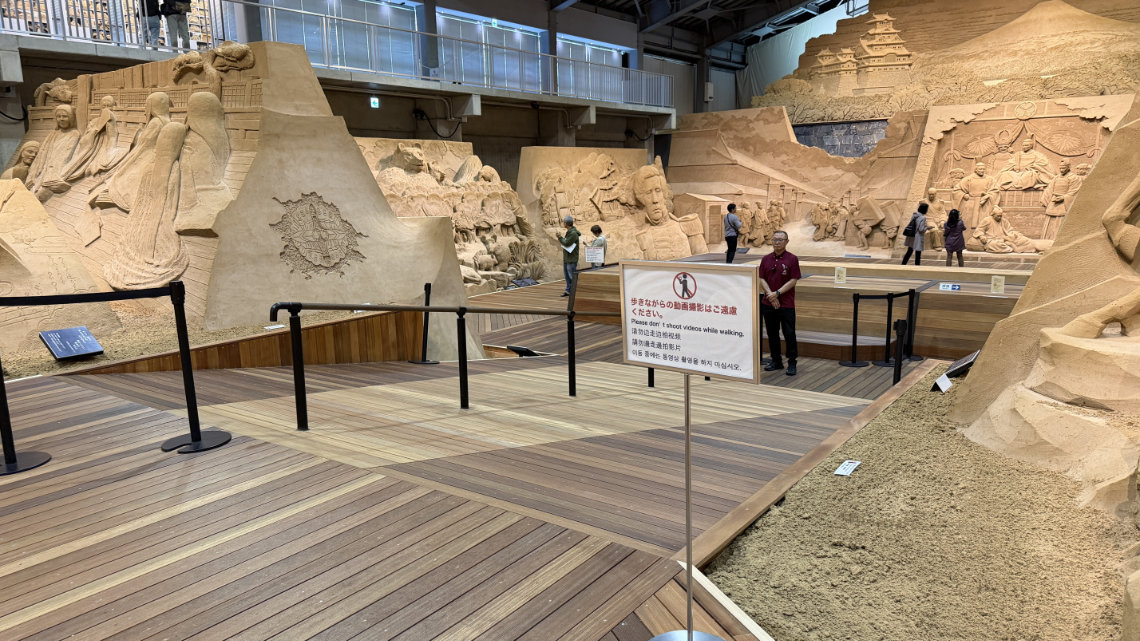
After the afternoon accessible travel seminar, my final major stop was the Sand Museum, located right next to the famous dunes in Tottori City.
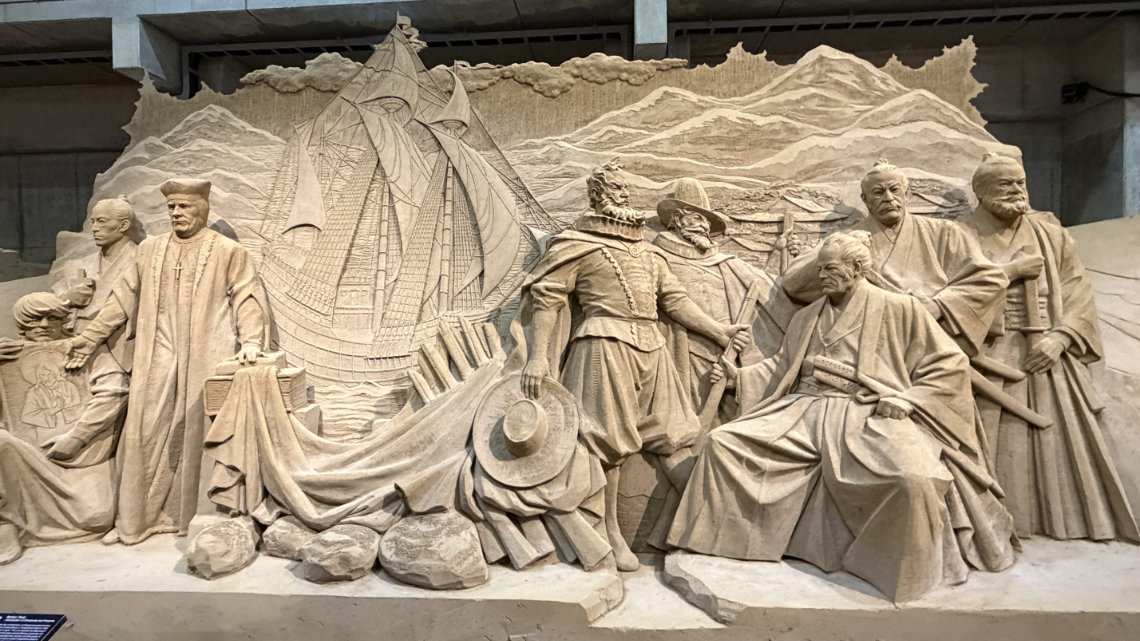
The theme of the sand sculptures changes annually, so every visit is unique. The pathways are wide and smooth (though manual chair users might want a push on some of the slopes), giving up-close views of the amazing sculptures.
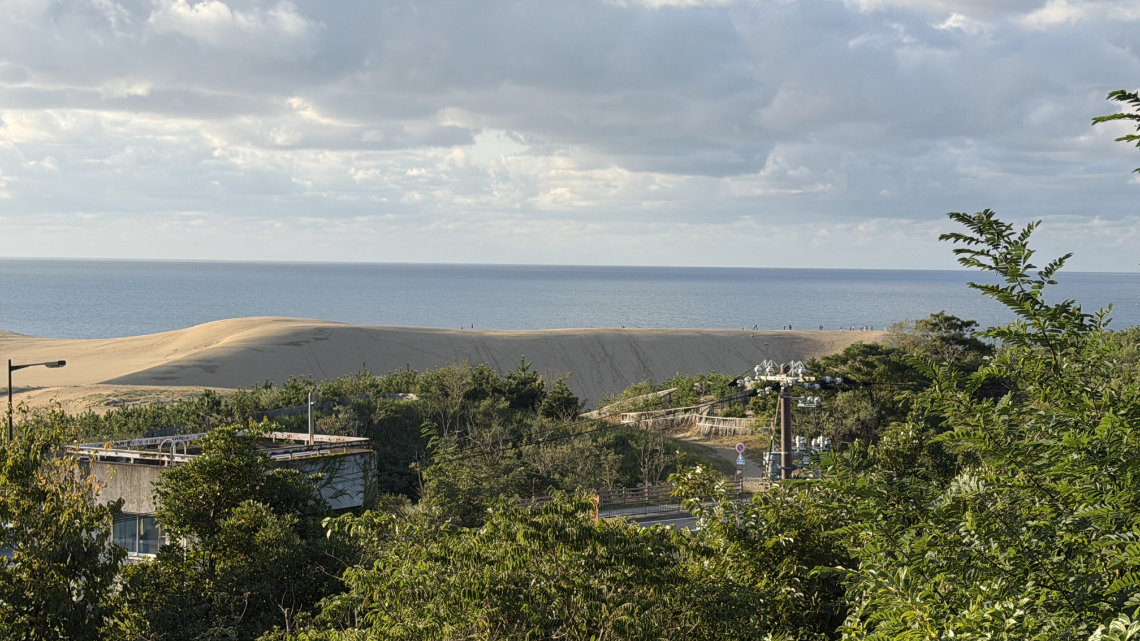
There is an accessible outdoor path on the top level that leads to an observation deck. It offers a stunning view of the Tottori Sand Dunes stretching out to the ocean.
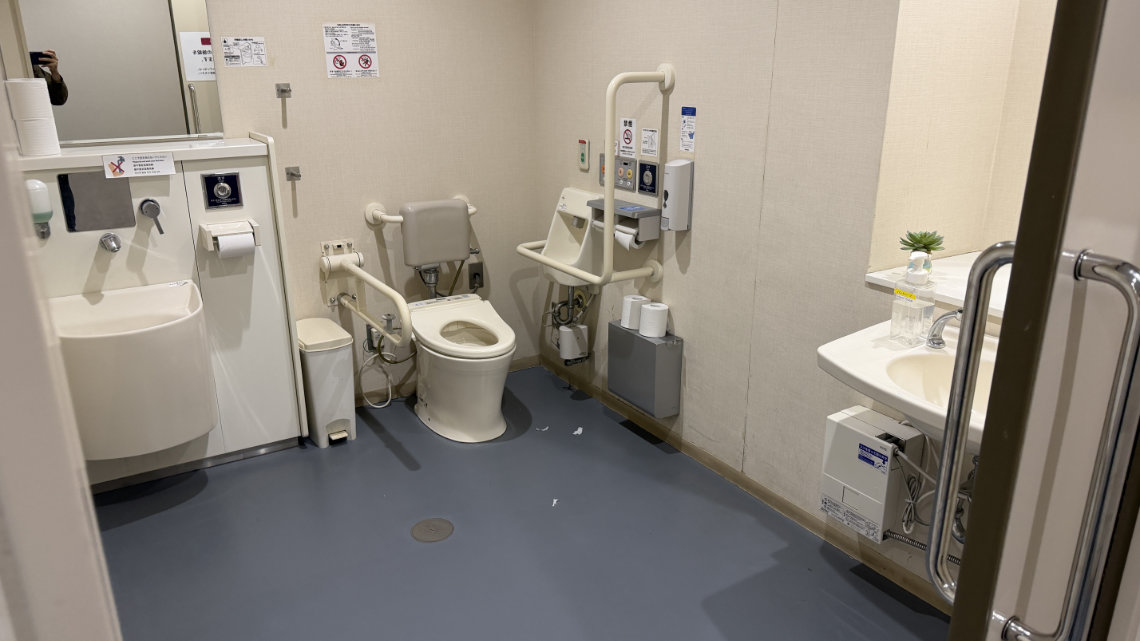
Accessible toilets are also available.
Final Thoughts
Why Go? Tottori might be quiet, but it is full of heart. Despite having a small population, the prefecture is deeply intentional about accessibility. It shows in the government’s initiatives, but more importantly, it shows in the omotenashi (hospitality) of the people.
For travelers with disabilities looking for a destination that offers nature, culture, and a slower pace of life, Tottori is a fantastic choice.
Responses
Oh no! When we went we missed the Mizuki Shigeru Museum. That museum looks like a lot of fun.
I guess you’ll need to go back! What other places do you recommend in Tottori?